They took place in two contrasting environments – the agricultural setting of the Lyndon Estate, which is farmed by the Conant Farming Company, and the fast-paced live events backdrop of The O2 – bringing together six Back of House (BOH) and six Front of House (FOH) finalists for hands-on experiences reflecting key trends.
Now in its 38th year, the competition continues to bridge the gap between education and industry by giving students real-world opportunities to develop technical skills, confidence and commercial awareness. This year’s competition themes of cultural fusion, diversity and innovation were woven throughout the challenges, encouraging competitors to explore flavours, perspectives and service concepts.
First up, they travelled to the Lyndon Estate to learn about regenerative farming, provenance, viticulture and sustainability-focused practices. Working in BOH and FOH pairs, competitors were tasked with preparing and serving a two-course lunch using seasonal ingredients, while demonstrating knowledge of wine pairing, guest engagement and sustainable hospitality practices.
Finalists were assessed on technical ability, teamwork, communication and their capacity to deliver a memorable experience, with judges looking for calm leadership and attention to detail.
James Green, director at Conant Farming said: “It was wonderful to welcome 12 engaging young competition finalists, to discuss our sustainable approach to food production and the regenerative farming techniques used to improve our soils and farmed environment. Outside on our tour, we looked at how food production and improving the natural environment can work together with the benefits of an integrated, holistic system.
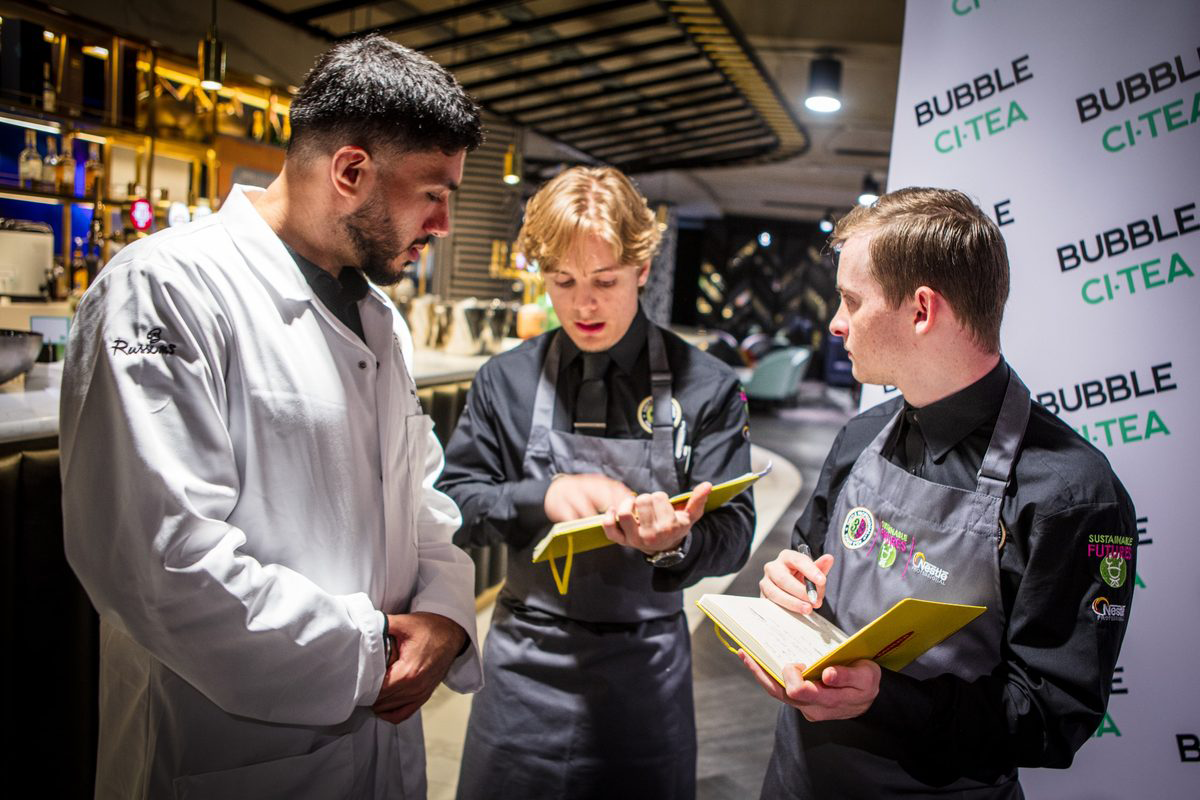
The following day, finalists stepped into the fast-paced world of live events hospitality during a challenge hosted at The O2, in partnership with Levy UK and Bubble CiTea.
Designed to mirror the pressures and expectations of premium event catering, it focused on organisation creativity and service delivery. BOH competitors were tasked with producing two dishes – venison-based and plant-based – showcasing versatility, seasonality and strong technical execution, while balancing hot and cold prep methods.
FOH finalists had to present a four-drink menu inspired by Bubble CiTea, incorporating products including Carnation, Nescafé and Maggi. Competitors were required to demonstrate both creativity and commercial thinking.
Judges assessed finalists on flavour, presentation, consistency and communication, alongside their ability to respond to the pressure and pace of a major events environment.
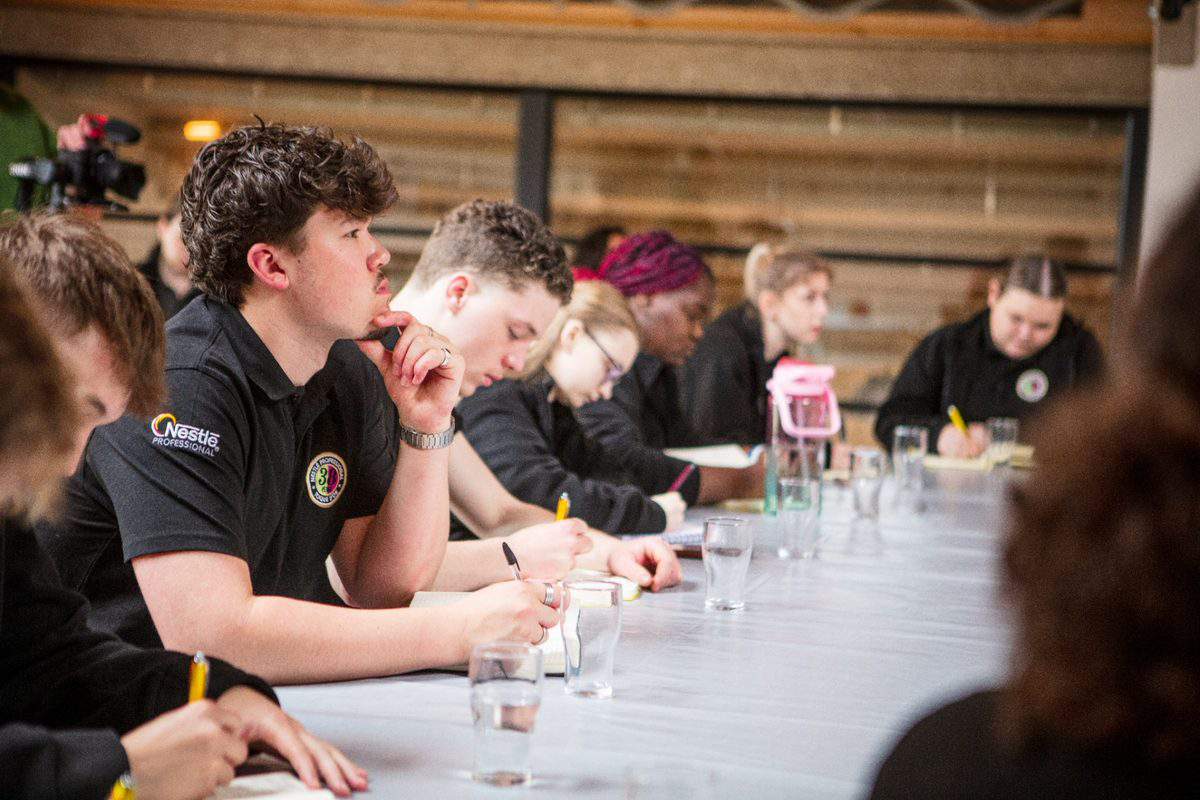
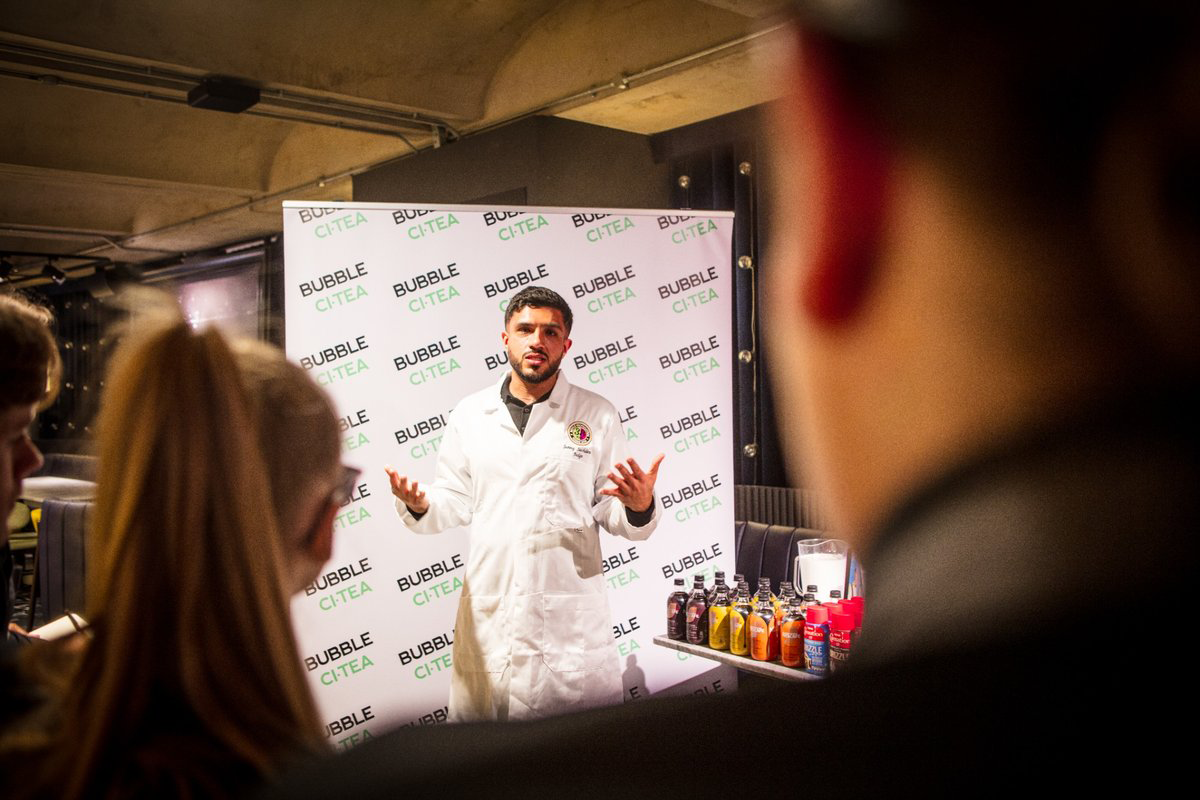
There were also insight sessions and masterclasses, including talks from Levy chef Thierry Diagaradjou, events manager Jodie Rose and Bubble CiTea CEO Suneet Sachdeva giving students direct exposure to career pathways within large-scale venue hospitality.
Lorenzo Viganò, managing director at Nestlé Professional UK&I, said: “Grand Finals Week is designed to challenge and inspire our finalists. The two experiences highlight the breadth of opportunities available across hospitality and foodservice, while reinforcing the importance of adaptability and collaboration across both BOH and FOH roles.
“The standard throughout the competition has been exceptional, and these are invaluable experiences for our finalists to build their confidence, broaden their perspectives and make meaningful industry connections.”
The competition culminates at the Nestlé Professional Toque d’Or Awards Ceremony on 12 June 2026, where one BOH and one FOH winner will be crowned. It also sees the return of the Nestlé Professional Green Spatula Award, launched last year in partnership with World Association of Chefs’ Societies (Worldchefs). The accolade recognises one BOH and one FOH finalist who has demonstrated an outstanding commitment to sustainability.