TIME FOR TRANSFORMATION
Despite being an historic brand of professional flours with decades of experience, the pandemic represented a watershed moment for us – as it did for everyone. With pizzerias and restaurants closed, we capitalised on the explosion in domestic demand, accelerating into large-scale retail trade and transforming a long-standing specialisation in the HoReCa sector into a new growth engine.
Covid changed many Italian habits. Among them, their relationship with home cooking: suddenly, millions rediscovered the pleasure of kneading dough, making bread, pizza, desserts and homemade pasta. Flour became a central, almost symbolic product. No longer just a basic ingredient but a small tool for healing, creativity and normalcy.
The slowdown in the HoReCa sector could have turned into a profound crisis. Instead, it became an opportunity to strengthen our presence in large-scale retail trade, engage with a new audience and bring to the shelves a flour already known and appreciated by professionals.
SOCIAL STRENGTH
Let’s say that Covid represented a major evolution for us, rather than a change. Our historic sector, the restaurant industry, suffered a sharp slowdown. But at the same time, an unexpected opportunity arose. Distribution needed flour, because everyone at home had started kneading dough. People were making bread, pizza and desserts, experimenting with recipes. And this gave us the opportunity to enter the shelves at a time when there was great curiosity for quality flour, used by professionals.
The role of social media was also important. Experts shared recipes, showed off dough and explained how to use flour. Thus, consumers began to recognise Caputo as a benchmark in the professional world. A very interesting virtuous circle was created: large-scale retailers needed the product, the public was curious and we already had a strong brand in the restaurant industry.From the kitchens of professionals, we arrived on the tables of Italians.
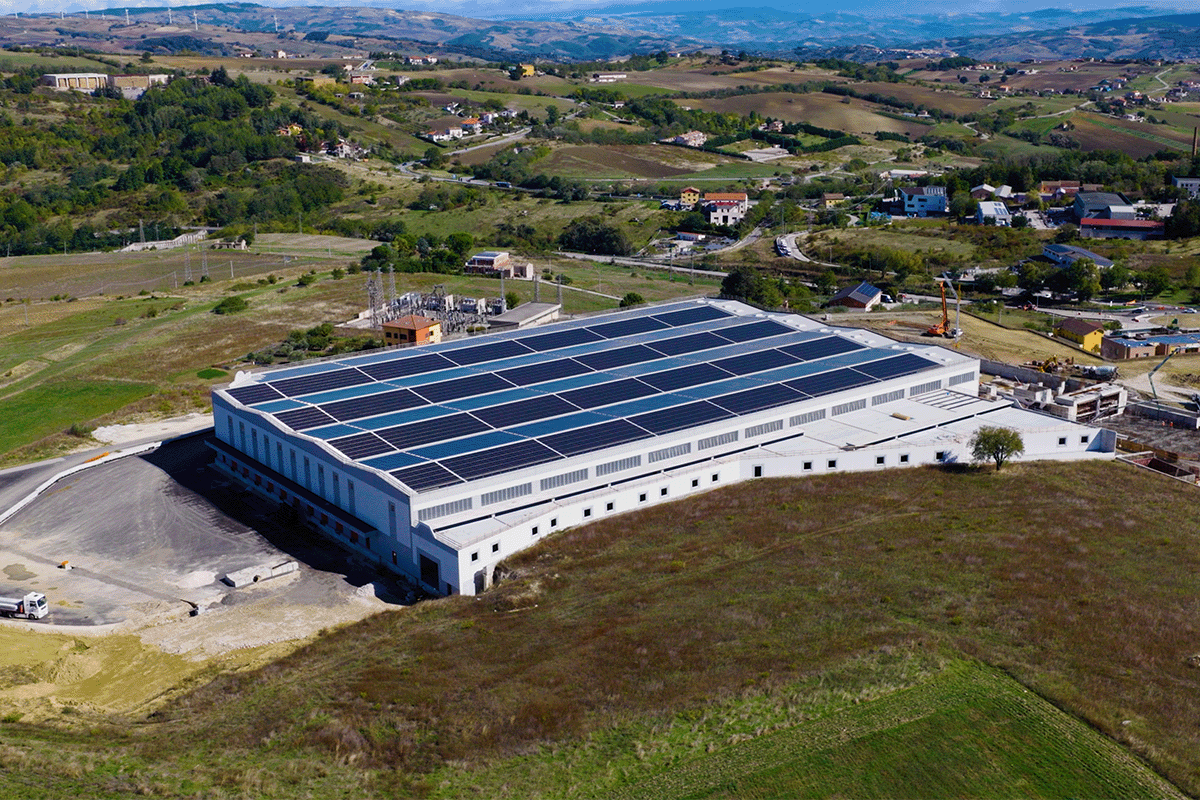
Flour became a sought-after product. But the issue during Covid wasn’t so much production, but packaging it in sufficient quantities for retail. That’s why we made a significant industrial investment, particularly in the Campobasso plant. We more than quintupled our production capacity, especially around packaging. It was a decisive step.
When the first packets of flour arrived, we received a strong response from distribution. From then on, growth was significant, both in terms of quantity and quality. Today, we can say that that investment has allowed us to embark on a new, broader phase, without losing our connection to our original world.
FINDING SYNERGY
The transition to large-scale retail is of course complex, with constant pressure around margins. But we haven’t become a retail-only company – we continue to thrive in foodservice. We have reinstated all our professional channels and, in fact, strengthened them. Today, we operate across the traditional HoReCa sector and large-scale retail trade. The important thing is that we haven't made them compete, there is a synergy.
Communication is fundamental, having embarked on a significant journey through TV, traditional channels, print and social media. The goal was to introduce Caputo to a wider audience. It wasn't enough to be known by professionals; we wanted to become a point of reference for Italian consumers as well.
Basically, during Covid we made a clear choice: never abandon relationships with customers and foreign consumers. We couldn’t travel and were physically distant but maintained strong contact. We continued to support our partners, to be present, to make them feel close.
And this was recognised. We stayed in touch with South America, Europe and all distant markets; personal relationships and continuity are extremely important. When the post-pandemic restart arrived, many customers chose Caputo – recognition of a bond built over time.
DIVERSITY & DYNAMISM
Another piece of the jigsaw is acquiring expertise in other segments, having entered the gluten-free world about 10 years ago through a key partner. We have always believed that gluten-intolerant consumers should be able to choose high-quality ingredients.
This year, for example, we presented an expansion of the range at TuttoFood, with 500-gram sizes also designed to reduce waste. We launched products like oat flour, aimed at an increasingly informed consumer who wants to choose diverse ingredients every day, suited to a dynamic lifestyle.
Today, the world of flour is no longer static. Consumers are changing, experimenting and seeking new products but they always demand quality, transparency and reliability. We want to accompany this evolution without losing our identity.
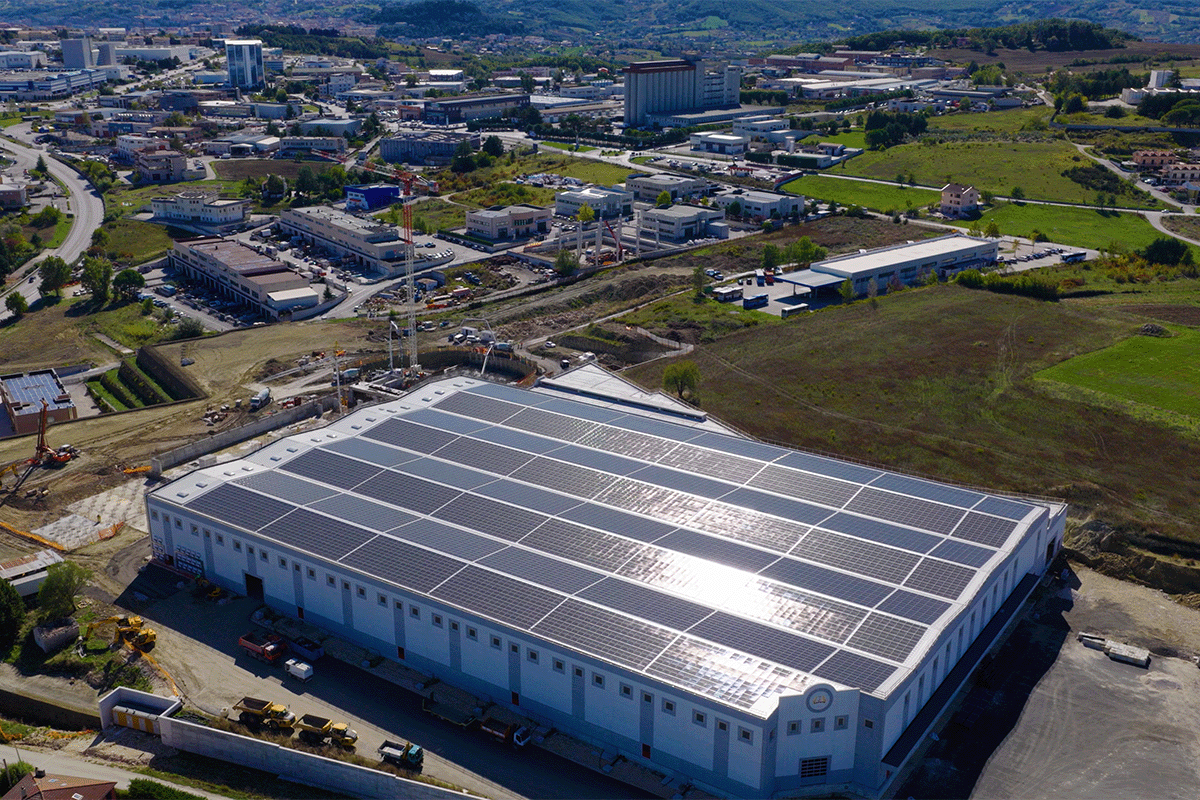
And part of this is in Ripalimosani, near Campobasso, where we’re aiming to create the greenest and most sustainable mill in Europe. We’ve already built a carbon-neutral warehouse with photovoltaic and cutting-edge packaging systems. This is an investment of approximately €60-70 million, confirming our commitment to growth and innovation. The goal is to get there by the end of next year.
It follows a pattern of industrial expansion, as have also made significant investments in Bergamo. And over the past year, we have pumped a significant portion of our turnover into innovation, machinery, technologies and facilities. Not only increasing production capacity but improving performance in terms of quality and productivity. Growth cannot be merely quantitative; it needs to be orderly and efficient, capable of strengthening the product and organisation to meet the challenges of the coming years.