
HANDS-ON APPROACH
The UK has experienced a pizza revolution over the past decade. Independent restaurants have flourished, consumers are increasingly knowledgeable and expectations of quality have never been higher. Yet behind this success lies a challenge that is quietly reshaping the industry.
The demand for skilled pizzaioli has grown faster than the supply of experienced talent. The combined impact of Brexit, Covid and continued staff shortages has increased the challenge. Restaurants have had to recruit from a wider talent pool, often employing enthusiastic chefs with excellent culinary skills but limited experience in pizza making.
There are so many varieties of pizza, and to make each one consistently well involves specific technical knowledge and attention to detail – and this has to be taught. Initiatives such as Salvo 1968’s Pizza School are helping fill an important gap between the enthusiasm to create great pizza and the technical knowledge to do so. With UK chefs coming from so many different backgrounds, they saw an increasing need to educate and knowledge share, with the school offering both.
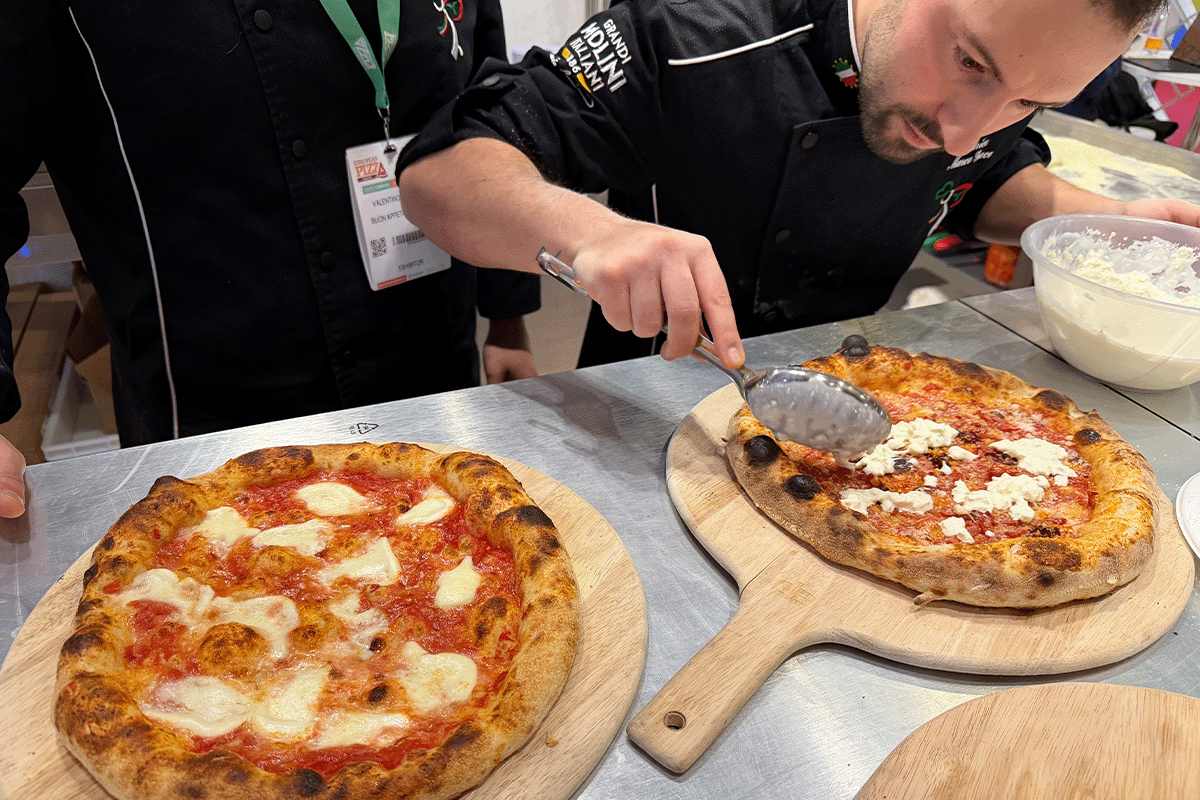
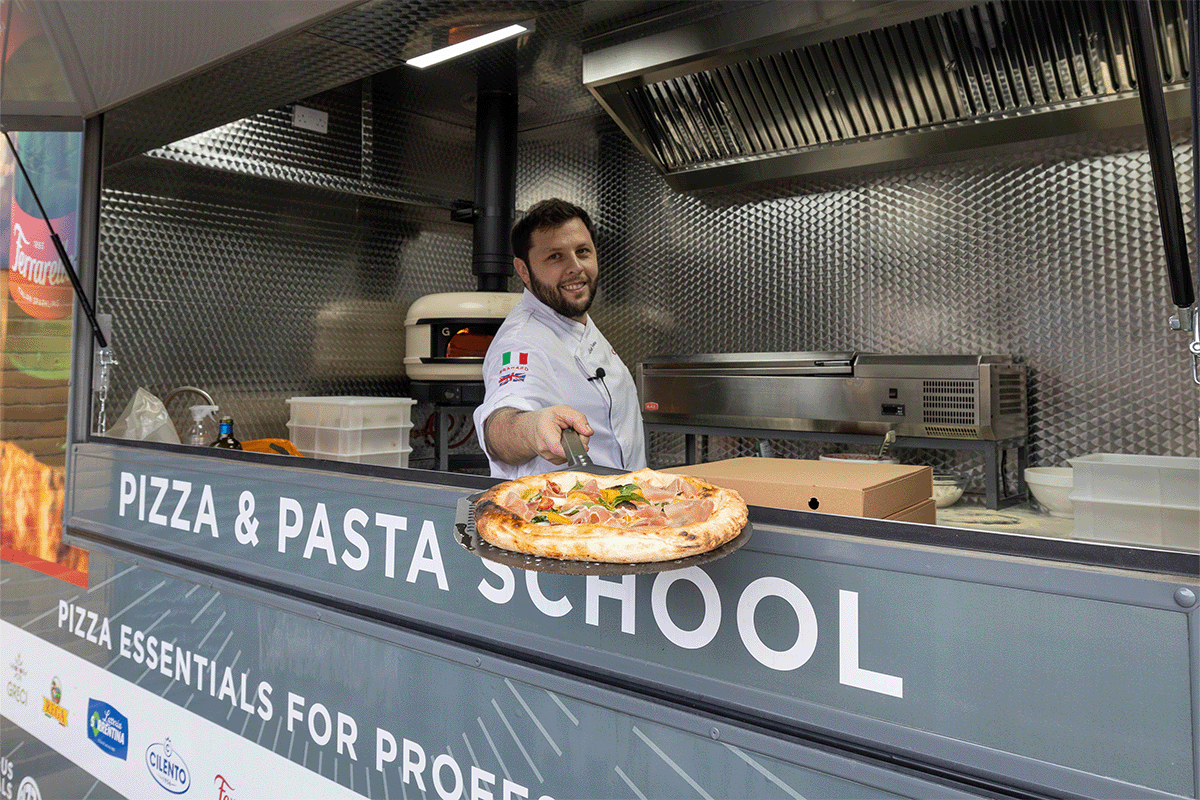
Rather than generic demonstrations, Salvo takes education directly into working kitchens. Led by resident Master Pizzaiolo Luigi Forte, the programme delivers tailored masterclasses that focus on the individual needs of each business, using the restaurant’s own ovens, equipment and menu or within Salvo’s fully equipped pizza school on wheels.
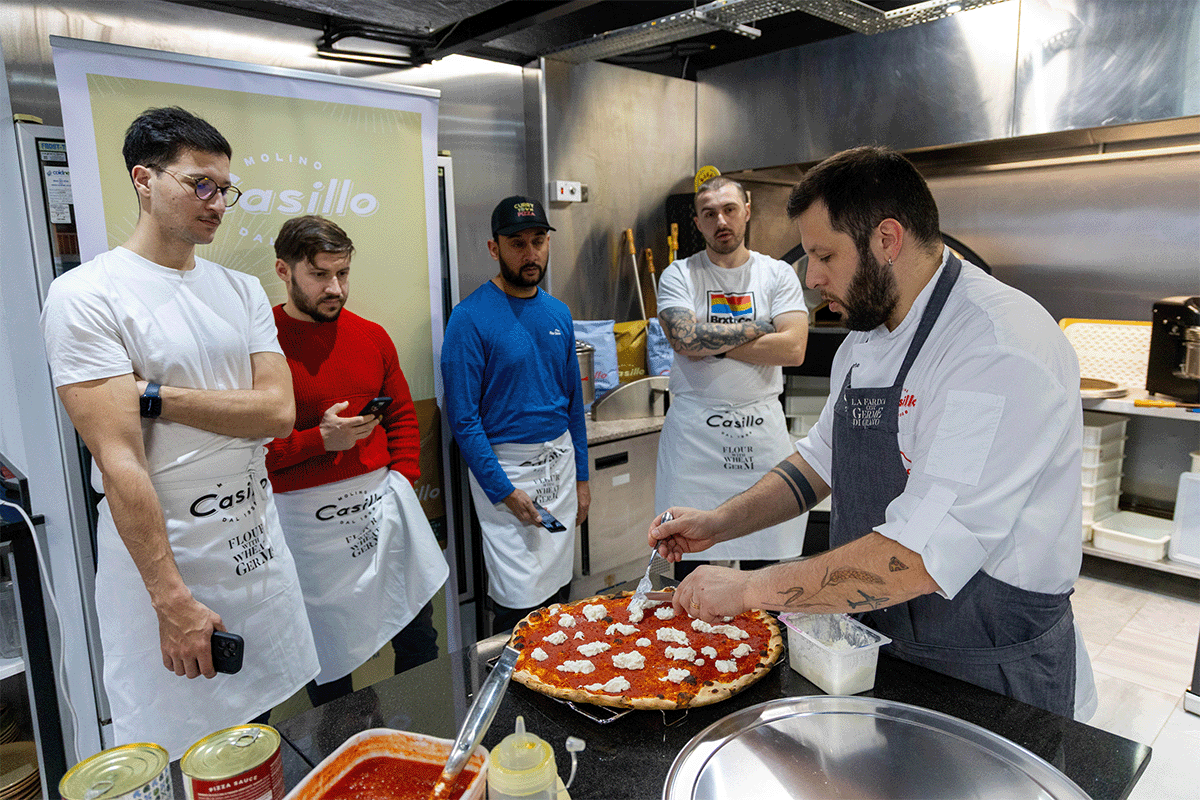
For larger groups, they offer the option of classes at their development kitchen in London. This practical approach means chefs can immediately apply what they learn without disrupting service or closing their kitchens for training.
KEEPING IT REAL
The sessions can cover any style of pizza the customer is interested in, as well as teaching them to deliver new options they haven’t previously considered. Everything is taught, from dough hydration and fermentation to flour selection, ingredient pairings and innovative menu development. Importantly, the commercial realities of running a successful pizzeria are also addressed.
Small technical improvements can improve consistency, reduce waste, increase efficiency and ultimately protect margins in a highly competitive market. The classes are about sharing knowledge with as many chefs as possible, to help them improve skills and learn new ones.
And we have been blown away by the positive response to these classes. There are so many chefs out there who want to improve how they make pizza and understand the processes better – and we are delighted to support.
As the sector evolves, education is becoming just as valuable as premium ingredients. Recognising growing demand for technical support, Salvo created its Pizza School to bring authentic Italian expertise directly to UK operators. The initiative reflects the changing role of food wholesalers, with hospitality businesses increasingly wanting partners who offer knowledge and practical guidance alongside quality products. In today’s market, investing in skills can be just as important as investing in ingredients.
Booking link: salvoschool.scoreapp.com