FROM THE RUINS
The best wines come with an interesting back story and Falanghina’s is up there with the best. Legend has it that Campania’s most planted white grape was gifted to this south-west region by none other than Bacchus, the God of Wine.
The Roman deity appeared to a poor farmer working his fields, who kindly shared his only provisions – milk, bread and olives. Impressed by this generosity, Bacchus transformed the farmer’s slopes on Monte Massico into vineyards planted with some claim Falanghina.
No doubt this story may have been concocted by inebriated Romans in the bars of Pompeii. They were partial to a drop of Falernum, a wine so alcoholic that Pliny the Elder wrote that it could ignite if approached by a flame.
Falernum was premium and a menu etched on the walls in the ruins of Pompeii after Vesuvius erupted showed it came in four styles. Experts believe Falanghina was a key part of these blends, with Greco and Aglianico. This vino was aged for 10 years or more in clay amphora and served diluted with sea water and flavoured with honey, spices and resin.
GOOD GOING
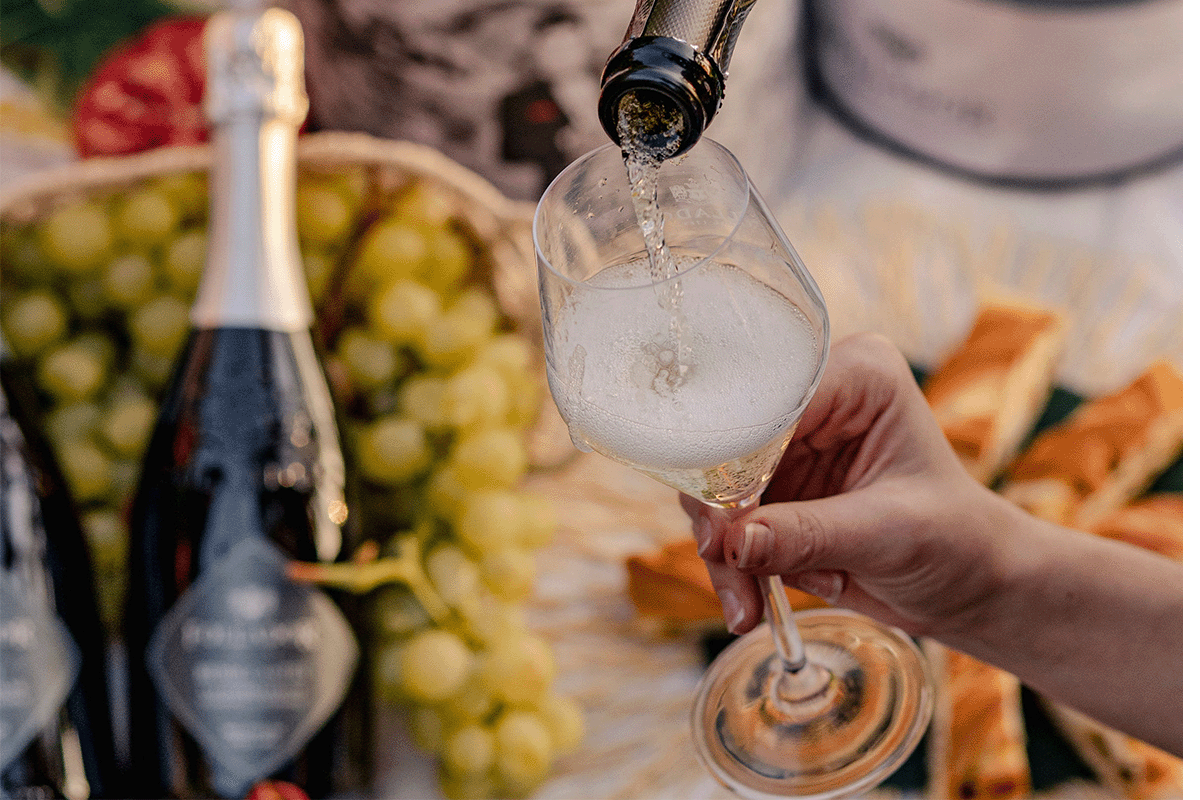
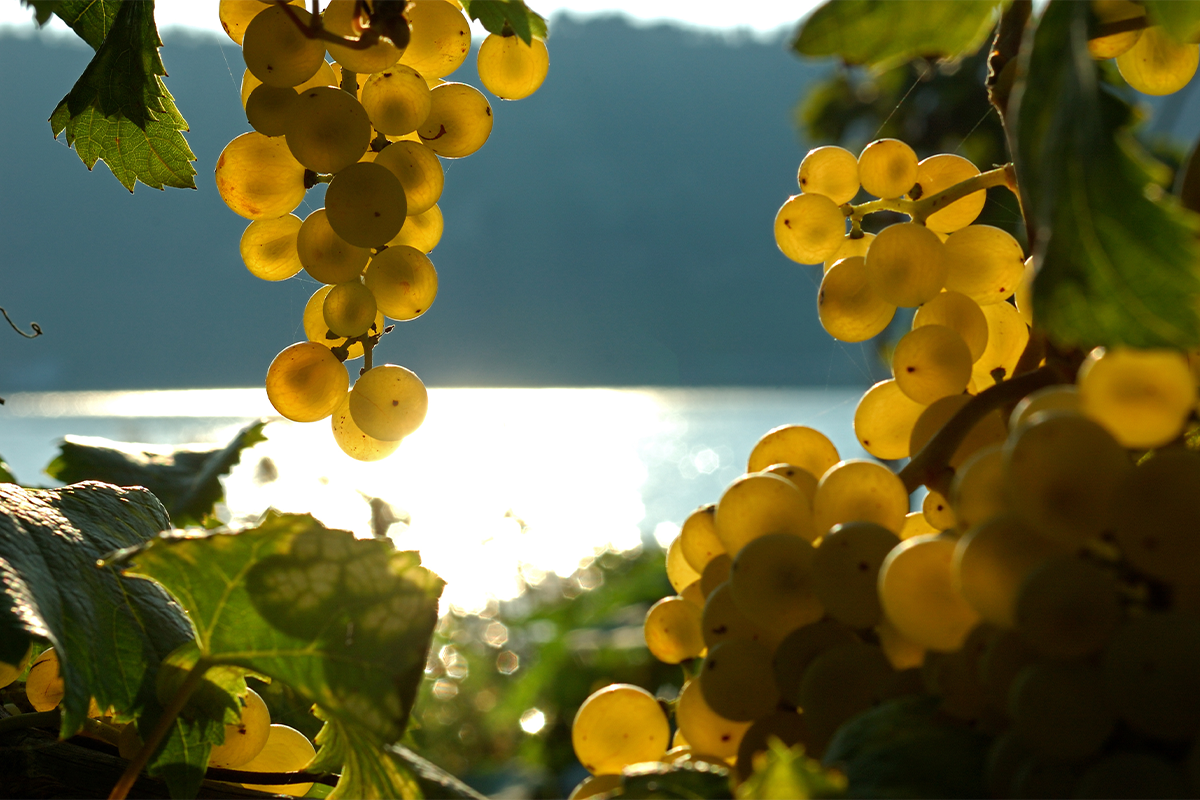
Falanghina today couldn’t be more different. It’s an elegant, dry white, usually made as a single varietal, or as 85% of a white blend with local varieties. A light-to-medium body bursts with flavours of citrus, apple, white peach, light floral and herbaceous fennel notes. Its crisp acidity makes it an excellent food wine.
It’s usually unoaked to showcase its fruitiness. A little lees ageing – leaving the wine on the dead yeast cells for a few months before bottling – adds weight and texture. The wines tend to be good to very good, which translates into inexpensive to mid-priced bottles for operators.
The Sannio district, Campania’s largest wine-producing area, is the heartland of Falanghina. The sub-region of Falanghina del Sannio DOC appellation is, as the name suggests, dedicated to the grape. This is a large area, so products depending on the vineyard locations. Wines from the western warmer areas are smooth and fruity with signature floral notes, while in the eastern half with volcanic soils and more altitude, there’s a crispness and refreshing minerality.
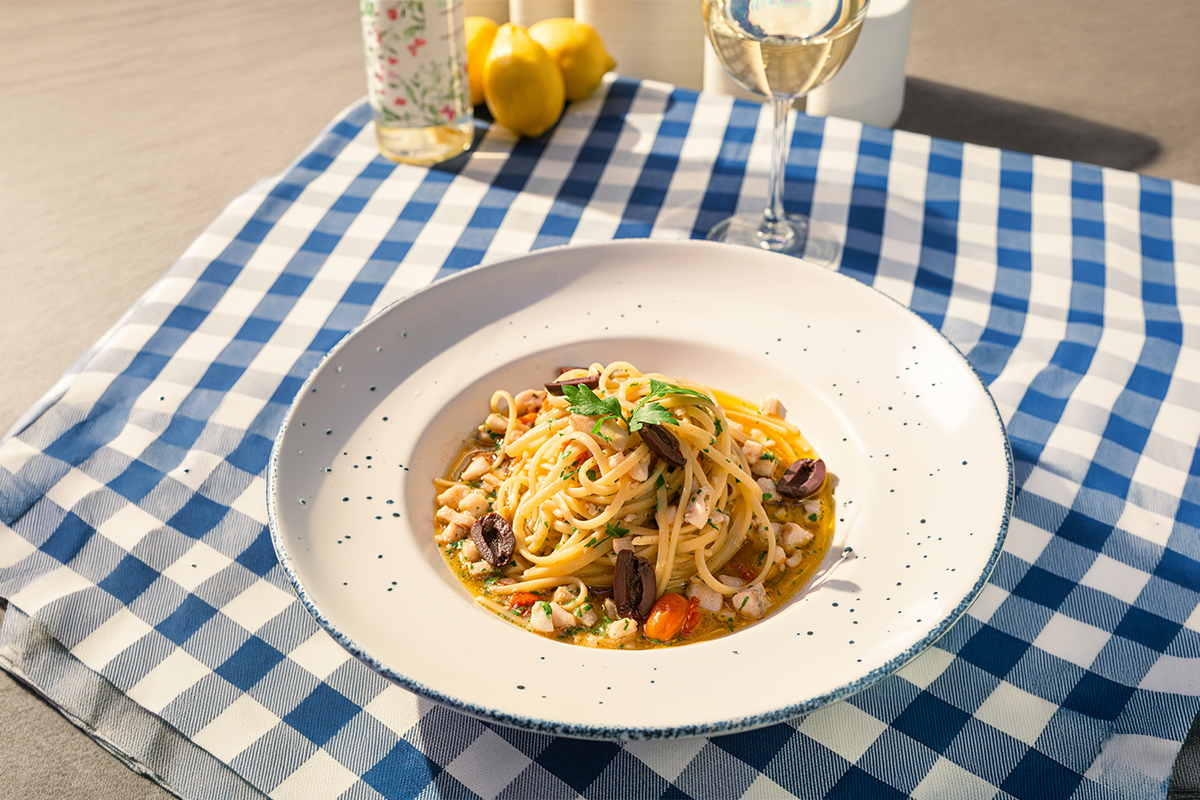
The bright, clean flavours of Falanghina pair well with the fresh ingredients of Italian cooking, particularly seafood – perhaps a plate of linguine with clams, grilled prawns or a seafood risotto.
The freshness and medium body has enough oomph to partner herbs, garlic and olive oil. Ideal with antipasti – mozzarella, olives, grilled vegetables and salami – you can also carry on through to mains of creamy pasta dishes, grilled chicken and fish courses.
Bright, approachable and deeply tied to the cooking of its region. Falanghina is exactly the kind of wine you want when Italian food is being served and customers are seeking alternatives to that go-to Pinot Grigio.
4 FALANGHINA FACTS
- The name Falanghina comes from the Latin word falangae, the wooden stakes that were once used to support the vines.
- It was nearly wiped out by phylloxera in the late 19th century but this high-quality grape was saved from extinction in the 1970s by Leonardo Mustilli. He started producing a single-variety Falanghina in 1979.
- Falanghina is grown in all Campania’s wine districts and features as part of white blends, such as those along the Amalfi coast.
- There are two types of Falanghina grapes: Flegrea, which grows on the vineyards around Mount Vesuvius in the Campi Flegrei DOC, and Falanghina Beneventura, grown in the Falanghina del Sannio DOC. Many producers grow both and blend them together.
 |
By Melanie Leyshon DipWSET, a wine and travel journalist. She writes for BBC Good Food, Olive and Sainsbury's magazine and as LadySips on Substack. |