
What’s your approach to tomatoes?
They are arguably the most essential, defining ingredient in modern Italian cuisine, serving as the foundation for iconic pasta sauces, pizza and regional dishes. Although only introduced from the Americas in the 16th century, tomatoes have evolved from a decorative plant into an essential symbol of culinary identity, representing the essence of ‘simple, fresh and high-quality’ cooking.
Tomatoes are a cornerstone of the Mediterranean diet, providing lycopene (a powerful antioxidant that increases when cooked), vitamins A and C and a savoury flavour. They represent the Italian dedication to seasonality and ‘nonna’ cooking rituals, such as making fresh passata in late summer, which is still practiced today. Despite their high-end reputation today, tomatoes began as a ‘poor person’s food’ that elevated humble staples like pasta, bread, and beans.
Your region of the UK is something of a hotbed for tomatoes, is that correct?
Yes. Preston is recognised as an important area for commercial tomato growing in the UK. The region, including areas like Tarleton, is known for growing specialised Mediterranean varieties, with notable producers including Croftpak Nurseries. Lancashire is highlighted as a key area for UK tomato farming, with growers utilising greenhouses to produce high-quality produce, despite the reputation for rain.
Community efforts such as Let’s Grow Preston encourage the success of local food, including tomatoes, which are a popular crop in local allotments and greenhouses. The season typically begins in early spring, with tender plants often started indoors and moved to greenhouses or warm, sheltered spots to thrive. 
Where do you source from?
Depending on the variety, we generally look local, while importing pulp from Italy. Previously, specialist varieties were difficult to find – and in some cases the levels of quality. Fortunately, things have changed and the market has opened up.
What should businesses be thinking about in terms of incorporating tomatoes?
Operators in both manufacturing and foodservice must prepare for a challenging 2026 tomato season, characterised by high ‘tomatoflation’ (35-40% projected price hikes), supply chain volatility and shifting consumer preferences towards healthy, traceable ingredients. Key considerations for incorporating tomatoes include securing supply early, locally, transitioning to sustainable packaging and quality control.
In 2026, the sector is experiencing a squeeze on costs, energy, packaging (steel/aluminum) and logistics, driven by geopolitical instability. There’s a need to avoid preservatives and extend shelf life, and manufacturers are increasingly using aseptic packaging for pastes and diced tomatoes. To increase yield and reduce waste (which can be cut by up to 12% via automation), processors are implementing AI-driven sorting and grading systems.
Consumers are demanding fewer ingredients, driving a shift away from high-sodium formulations towards organic and non-GMO options. In terms of traceability, there is high demand for single-origin sourcing and transparency. Manufacturers are exploring ways to turn tomato waste (skins, seeds) into bio-friendly packaging, aligning with environmental goals, and there is a strong industry push away from traditional rigid containers towards recyclable pouches. Marketing tomato products for their health benefits (lycopene, vitamins) is crucial, as processed products (like cooked sauce) often have higher nutritional bioavailability than fresh tomatoes.
Are tomatoes becoming more versatile, as knowledge of Italian cuisine increases in the UK?
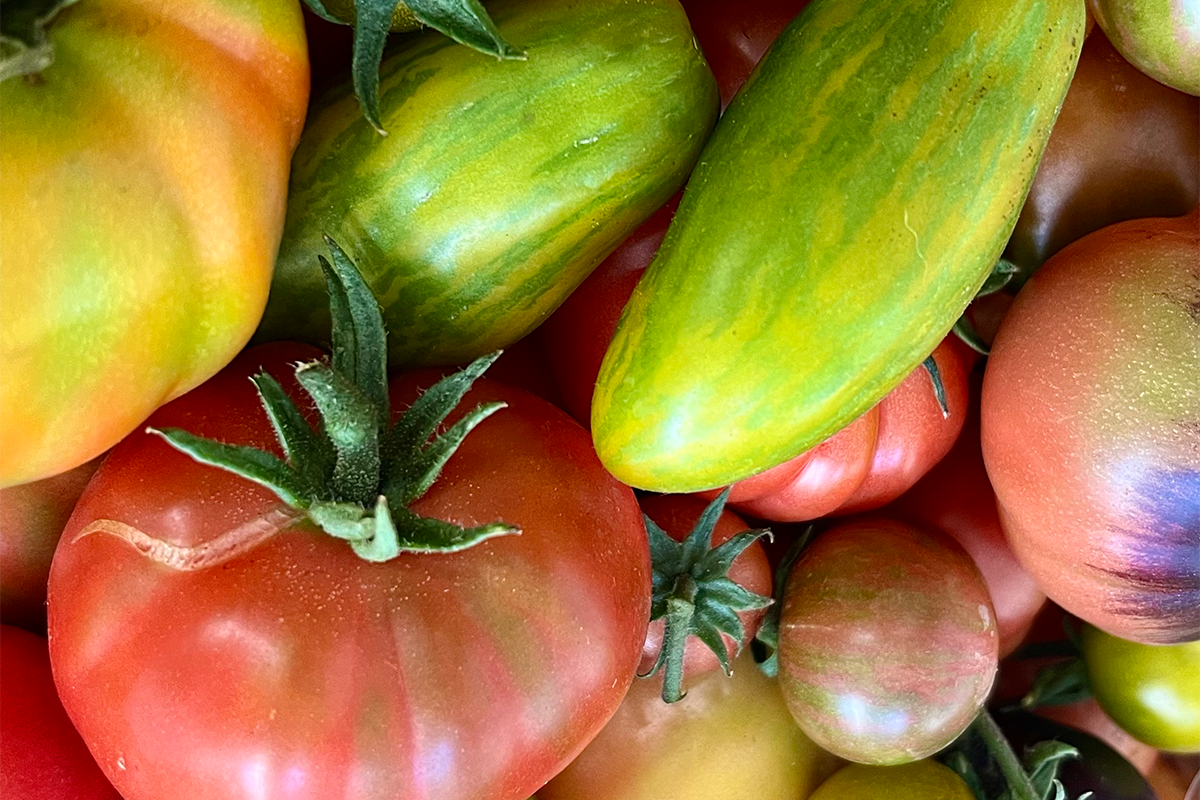
Yes. There is a clear move beyond the simple tinned, chopped tomatoes to a wider appreciation of specific, authentic varieties and applications. While canned, peeled and chopped remain staples, UK buyers are increasingly distinguishing between varieties, with high-quality options like San Marzano making a strong comeback.
British cooks are utilising specialised products like passata (smooth purée), cherry tomatoes (for fast cooking), sun-dried and paste to enhance different dishes, rather than relying on a single type for all uses. The UK is now the second-largest export market for Italian tomatoes, driven by a demand for quality and authenticity rather than just convenience. Consumers are beyond generic, ‘tasteless’ varieties and seeking premium.
Increased exposure to regional Italian cuisine, beyond just popular pasta sauces, has introduced UK consumers to utilising tomatoes in a broader range of dishes, including stews, salads and specialised pizza types. Italian tomatoes are seen as having great ‘versatility for every kitchen’, with imports showing consistent growth in both volume and value. This trend is also driven by a desire to create authentic and simple dishes at home, using high-quality ingredients that allow the flavour of the tomato to shine, rather than hiding it under heavy sauces.