Is it fair to say that the popularity of Italian tomatoes in the UK is incredibly high?
The short answer is yes – but the fuller picture is more interesting than the headline. Italian tomatoes have always had a place in British kitchens but what’s changed is the quality of that relationship. Shoppers are no longer just reaching for a tin out of habit. They are making a considered choice.
The Guardian wrote about this in May 2026, framing premium ambient food – tinned tomatoes included – as a genuine consumer movement. Posh beans, boutique oils, considered condiments. Tomatoes are part of that shift, and it makes sense. Italian food is one of the most cooked cuisines in the UK and the humble tomato sits at the heart of it. People want the best version of something they make every week.
What’s particularly encouraging is that the growth isn’t just volumetric. It’s driven by shoppers trading up. They’ve discovered that a better tomato genuinely makes a better dish – and once you know that, it is hard to go back. That’s the kind of loyalty that builds a category, not just a brand.
How are you taking advantage?
We’ve achieved sales of £56 million, up 32% on 2025, and we’re still one of the fastest-growing brands in the category (NIQ, UK Total Coverage, Mutti Branded Sales in Ambient Tomatoes & Italian Sauces). But what’s really exciting is the depth of the range and how UK consumers are engaging.
Our Polpa continues to be a standout – made with 99.5% tomatoes, no fillers, nothing unnecessary. It represents what Mutti has always stood for. But we’ve also seen momentum behind our pasta sauces, because they have genuine Italian provenance. Our sauce made with Rossoro tomatoes and Genovese DOP basil, and another with Parmigiano Reggiano PDO, aren’t just products. They’re an invitation to cook with proper ingredients at an accessible everyday price.
The Lion Jar relaunch has also been a real moment for us. It keeps Mutti’s iconic design while using less glass, cutting CO2 in production by at least 7% and up to 13% on larger formats. It shows that premiumisation and sustainability aren’t in tension – they reinforce each other when you’re serious about both.
Our Aromatica Pizza Sauce has performed well, particularly given how much home pizza-making grew post-pandemic and has stayed elevated. Made with 100% sun-ripened tomatoes, basil, oregano and onion, it’s built on the template of a traditional Italian pizzeria, suited across retail and foodservice.

Who are your key relationships with?
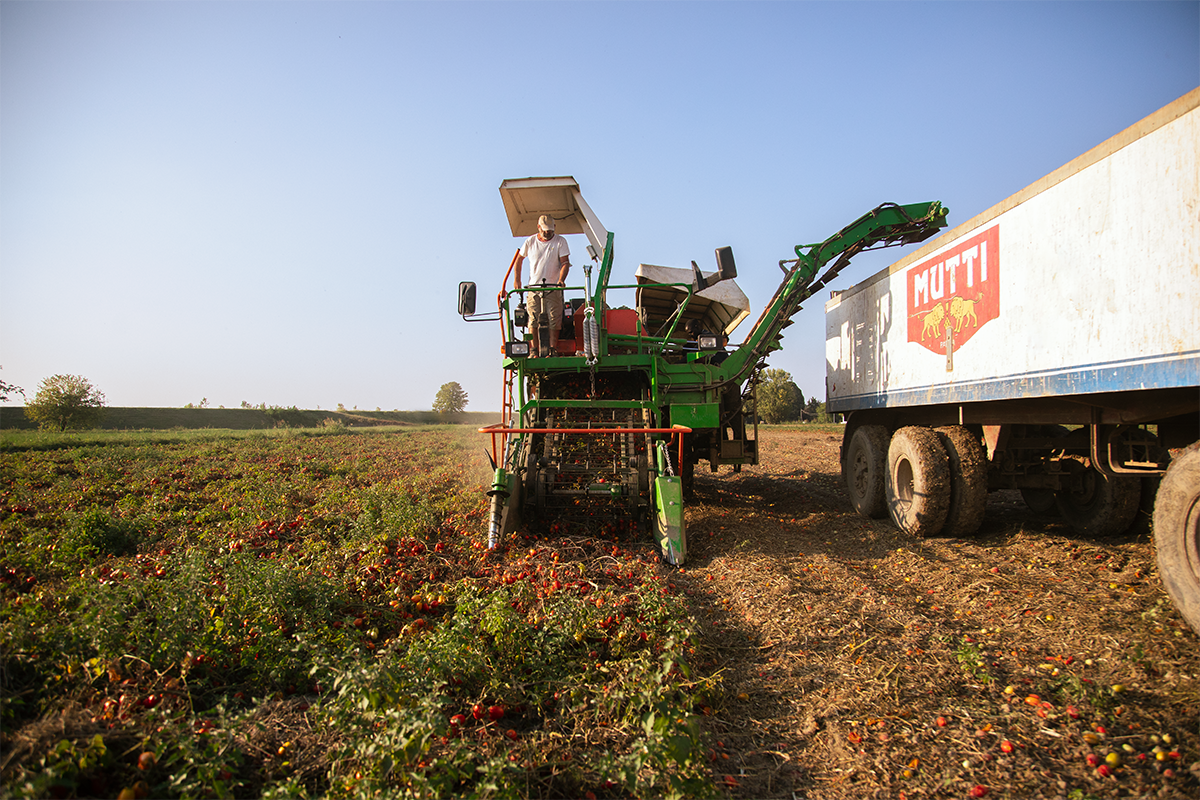
Our most foundational partnerships are with farmers. We work with over 1000 Italian growers, many across multiple generations of the same family. We pay, on average, 10% above market rate, and we treat them as long-term partners rather than suppliers. That’s not a marketing position – it’s how we’ve built a supply chain that actually works.
In the UK, we’ve developed strong retail relationships across the major grocers, and we see continued scope to expand our footprint there. But foodservice is an increasing focus. Restaurants, pizzerias, catering operations – these are environments where quality genuinely differentiates the end product and chefs understand that instinctively.
We’re also investing in influencer partnerships, with home-cooking content creators who speak authentically to audiences wanting restaurant-quality food at home. This isn’t about reach for its own sake. The people we work with cook with Mutti – and an honest recommendation from someone whose food you trust lands very differently to a standard ad, and we see that in how new shoppers are finding us.
But the partnership I value most is the direct one with consumers. Close to a million new UK households chose Mutti in the past year (Worldpanel, Nov 25). Those aren’t passive purchasers but people who have made a deliberate decision to cook with something better. The Pasta Sauce Tour is an example of how we think about that relationship. We didn’t just sample product; we cooked it fresh in front of people, explained where it came from and why it tastes the way it does. That kind of direct connection builds something more durable than a loyalty scheme. And in a category where word of mouth carries real weight, that’s the partnership we’re most focused on nurturing.
How are you managing financial pressures right now?
It’s something we are being transparent about. Mutti CEO, Francesco Mutti, has spoken publicly about this – energy costs are running around 50% higher than expected. That's a significant headwind for a business that uses roughly three quarters of its annual energy bill during the summer harvest and processing season.
So far, we’ve avoided passing those costs on. That’s a conscious decision – we know our consumers are still navigating a difficult environment, and we don’t take pricing action lightly. But Francesco has been clear that July to September will be the decisive period. We process more than 700,000 tonnes of tomatoes annually, and the energy intensity of that peak season means the full picture won’t be clear until after harvest.
Our position is a measured one. We’re reviewing packaging procurement, energy supply and wider costs. If oil remains at elevated levels, particularly above $120 a barrel, that will create a genuine pricing issue. At $80, it’s uncomfortable but manageable. We’ll make that call once the harvest data is in, not before.
What we won’t do is compromise on the supply chain to protect margin. Our contracts with Italian farming partners for this season are already agreed, and those farmers are getting what they were promised. That relationship matters more than a short-term cost saving.

The general forecast around production is good. Are you hearing the same?
Early signals are encouraging, yes. After 2024, which was a very difficult season – more than a third of the crop was lost to adverse weather – a return to better growing conditions would be welcome.
That said, our CEO has been careful not to call it too early, and rightly so. He’s noted that conditions can change dramatically, and 2024 is a reminder that a season can turn quickly.
What’s to come in the second half of 2026?
Before we look ahead, it’s worth reflecting on what we’ve just done – because the Mutti Pasta Sauce Tour has been one of the most exciting things we’ve undertaken in the UK to date, and it’s drawing to a close as we speak.
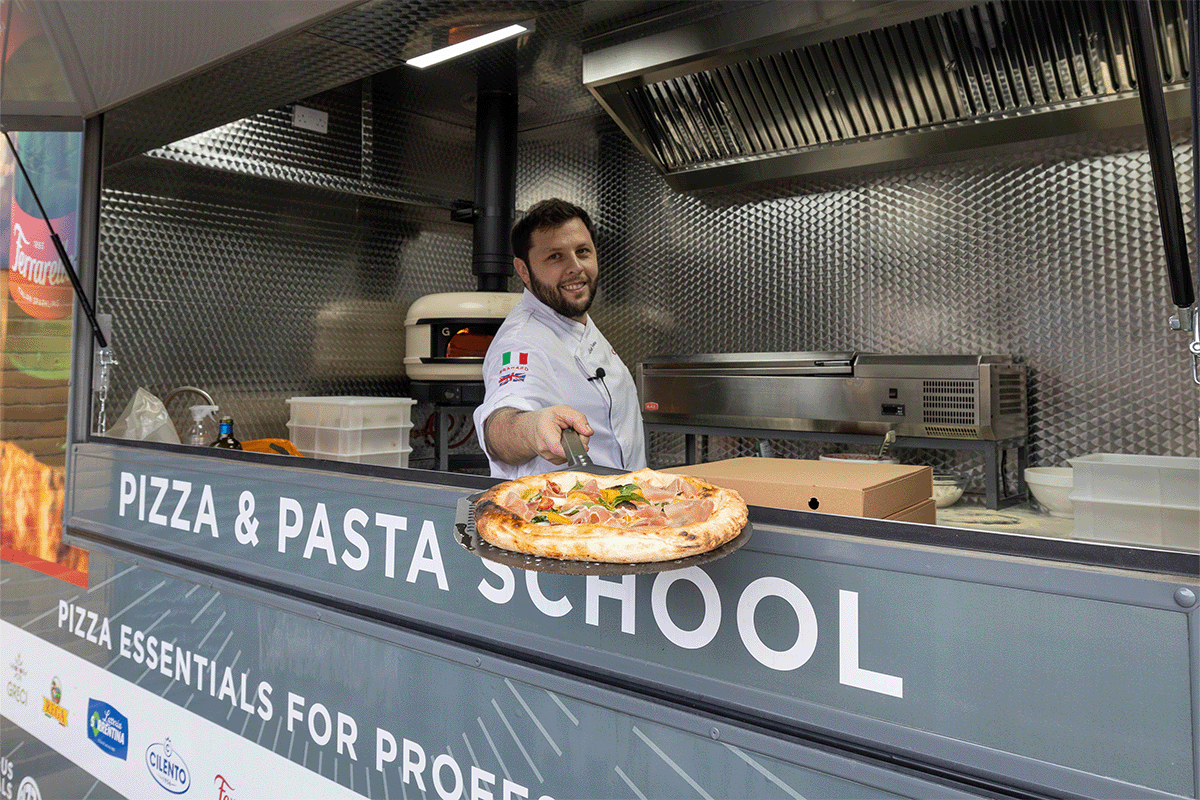
The tour took our bespoke branded kitchen van across seven cities throughout May – London, Birmingham, Leeds, Manchester, Liverpool, Edinburgh and Cardiff. We served over 25,000 hot pasta portions and put nearly 100,000 sample jars directly into shoppers’ hands. The London leg at Battersea Power Station was headlined by Gennaro Contaldo, the chef who taught Jamie Oliver to cook Italian, who made fresh pasta by hand and brought the Mutti story to life in a way that no shelf display ever could. The response across every city has been extraordinary.
The tour sits within our wider £6m UK marketing investment this year and builds on the first TV campaign we ran for our pasta sauce range in April. It has passed £6.9m in UK retail sales value, driving more than 25% of category value growth and 33% of category volume growth (NIQ, Apr 26). That’s the commercial context – but the tour itself was really about something simpler. Getting people to taste the difference. Once they do, the numbers follow.
We will continue with TV, events, experiences and in-store activity, plus our ongoing influencer programme and targeted work with the trade. The autumn cooking season is always an important moment – that’s when tomato-led dishes come back to the centre of the table.