
What industry trends are you seeing with consumers, retailers and manufacturers?
These tend to fall into two categories: short-lived spikes and enduring, meaningful change.
Fashionable spikes, like Dubai chocolate or bubble tea, are fun but fleeting. More important are the lasting shifts they reveal in how people shop, cook, and eat. Five main forces are shaping the market today:
- Value for money remains central. Consumers will pay more only when quality, provenance, and innovation justify it.
- Convenience drives choice. From quick family recipes to on-the-go commuter favourites, ease and quality rule. Retailers expect ready-to-use, low-waste formats that simplify life without sacrificing flavour.
- Premiumisation continues. As shoppers still crave small luxuries, retailers offering restaurant-quality foods at a fraction of eating-out costs will win.
- East–West fusion is expanding as Middle Eastern and Asian flavours inspire creative blends such as harissa arrabbiata and shawarma lasagne.
- The GLP-1 effect will shape product demand as appetite-suppressant drugs gain popularity.
Today’s trends are lasting and reflect how people want to live: practical, health-conscious and joyful in terms of what they eat.
Italian food in the UK seems to be on a real high. Would you agree?
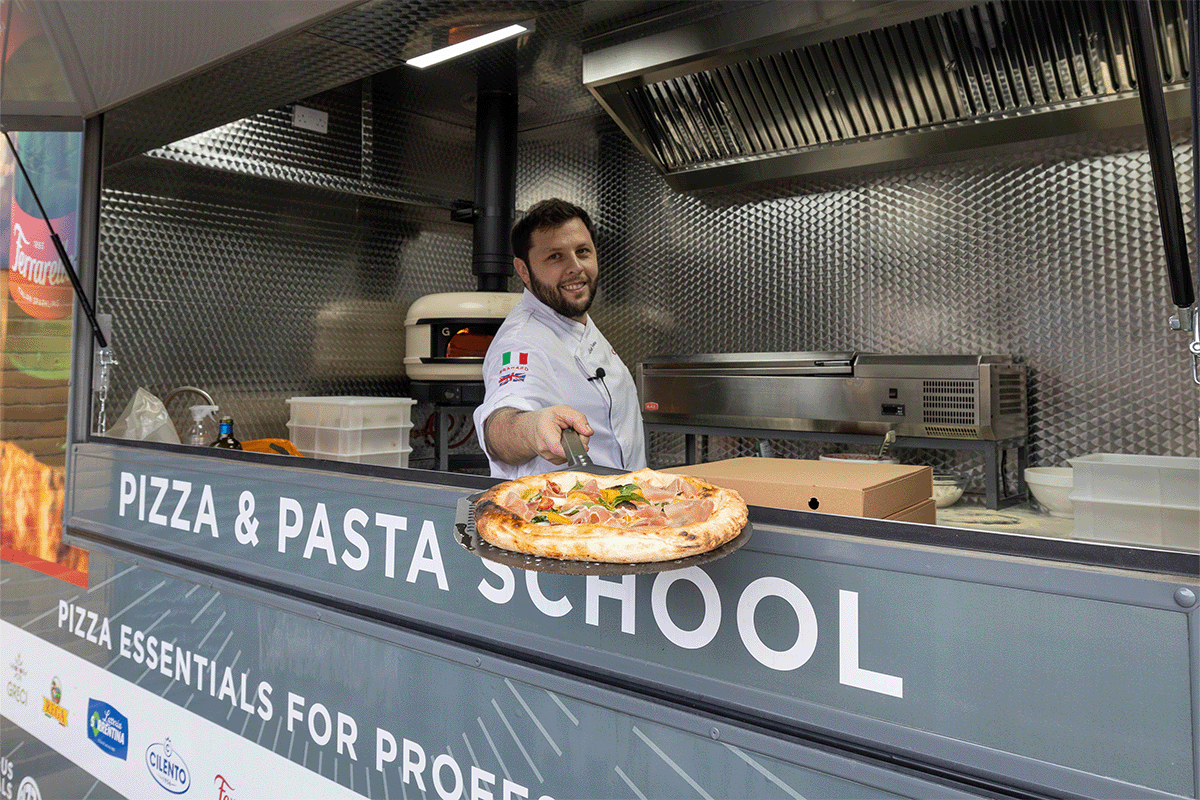
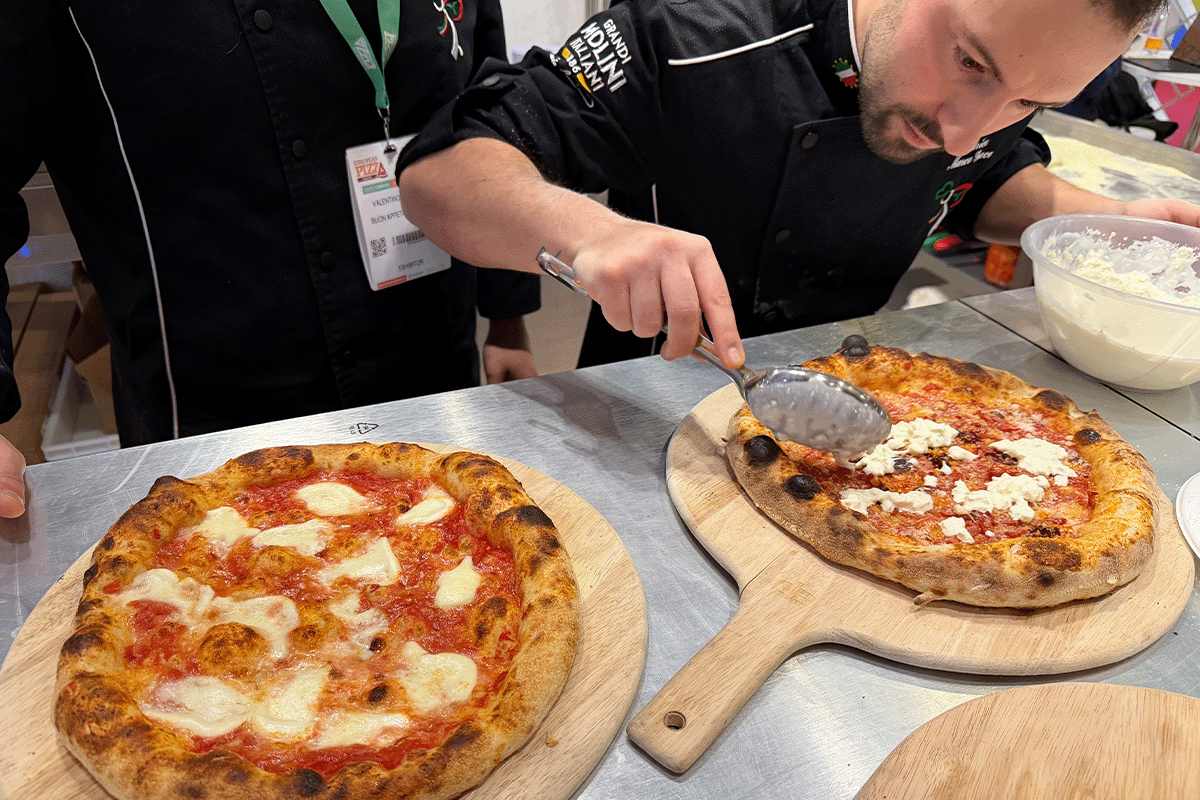
Absolutely. It has never been more loved or relevant here because it aligns perfectly with what people want to eat: simple, natural and straightforward food.
A 500g bag of pasta costs around 70p, feeds a family of four, and is rich in protein and carbohydrates. The same goes for the humble tinned tomato, which is pure, versatile and nutritious. It is no surprise that the UK retail pasta market has grown from 190 to 204 million tonnes in the last three years. Alongside nutrition, Italian food also masters convenience. With just pasta, tomatoes, olive oil and cheese, you can make something indulgent in minutes.
Italian food endures because it evolves, meeting every major consumer driver: value, convenience, quality and creativity. It is full of possibility and will always have a place at the British table.
Who are your core business partnerships – and who would you like to work with next?
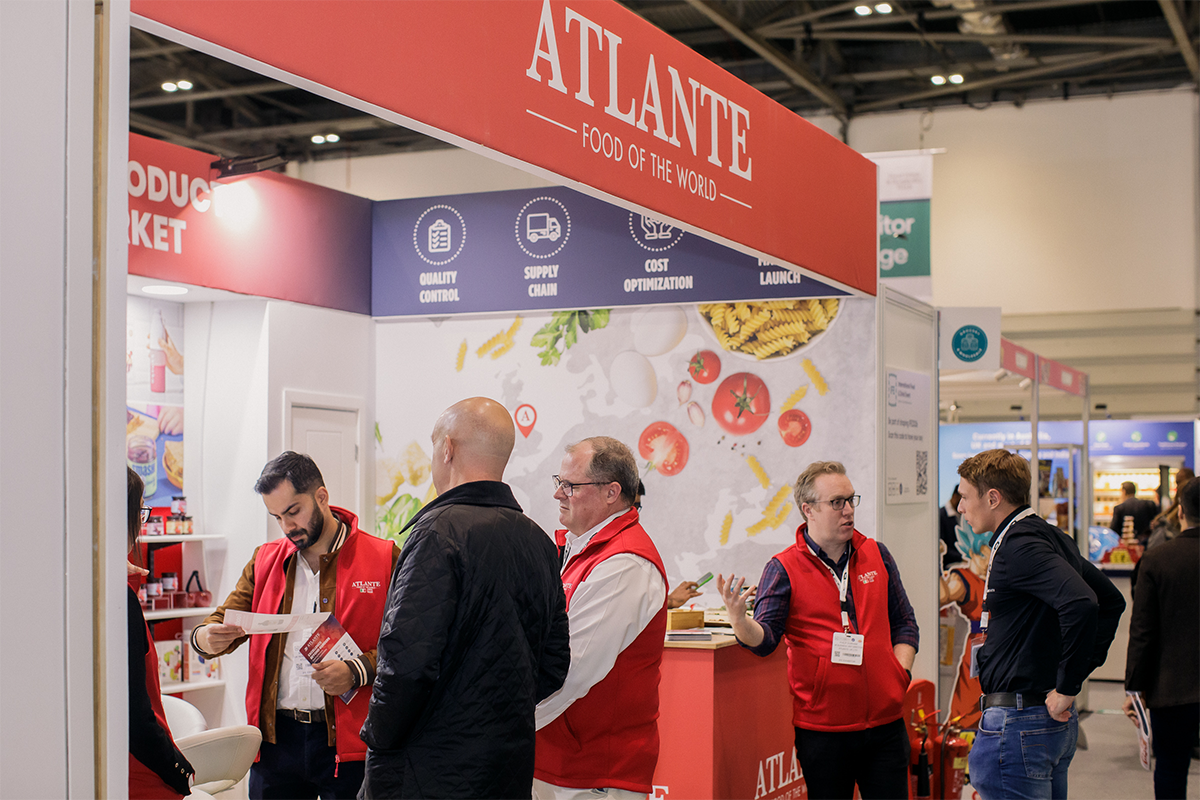
We often describe Atlante as a multi-plug adaptor connecting every element so that power flows seamlessly across the system.Producers, retailers, logistics experts and creative partners each bring their own strengths, and our role is to ensure everything fits and works smoothly.
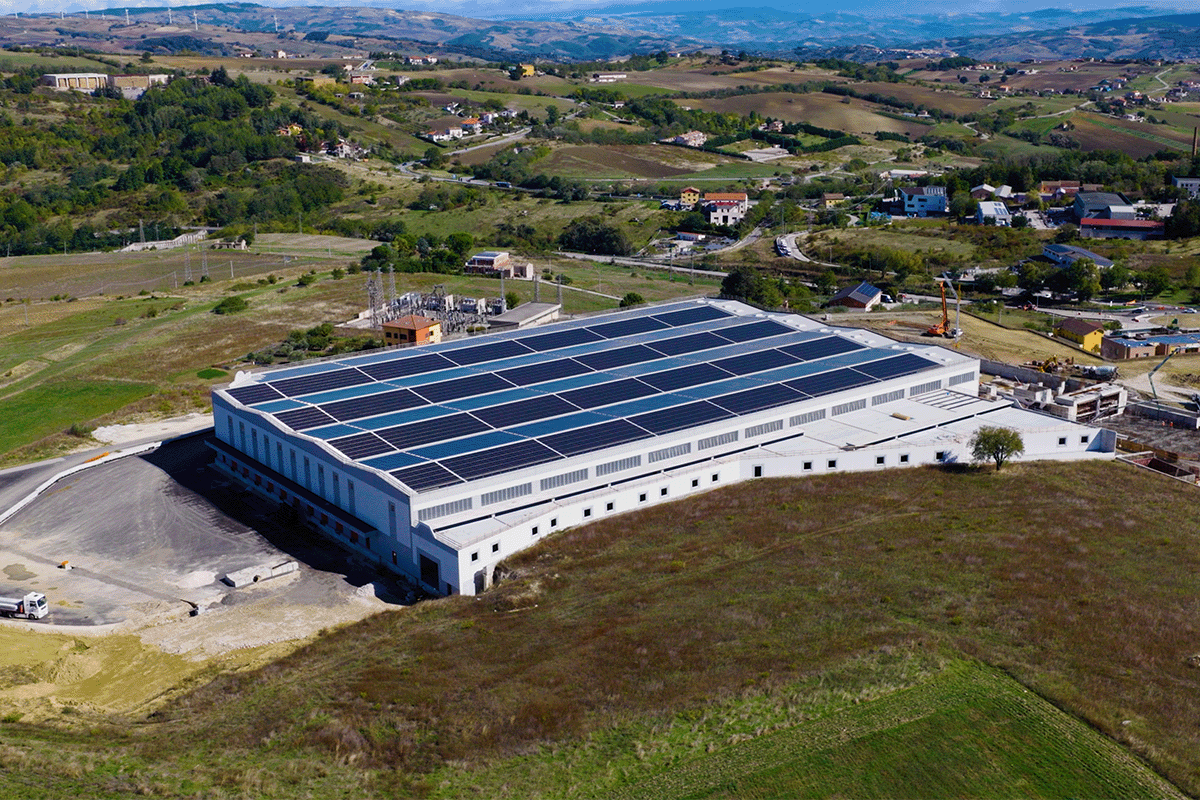
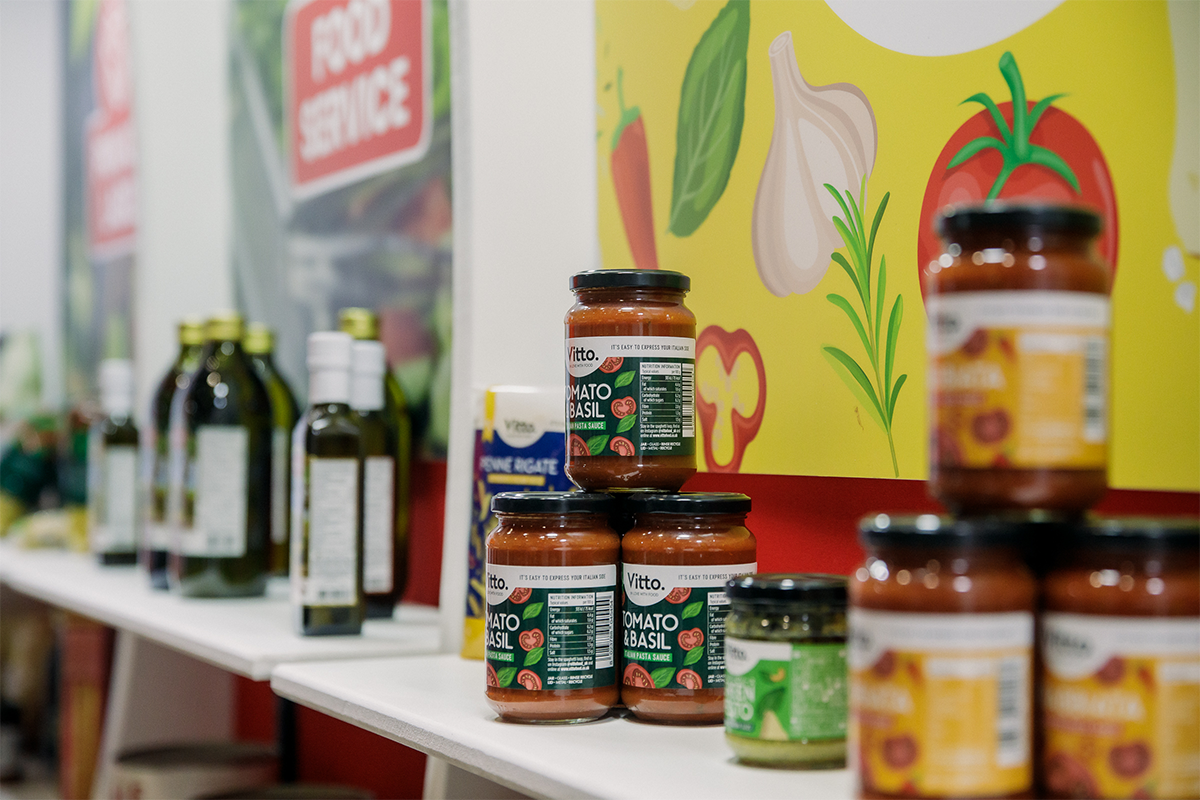
Producers are our first connection. Many are long-standing Italian family businesses that have perfected their products over generations. We help them navigate the UK retail system while preserving their identity.
Customers form the next connection. Sainsbury’s remains our longest partnership and has been central to building one of the strongest Italian ranges in retail. We are now expanding into foodservice and wholesale, always prioritising quality, reliability and innovation.
Partners complete the circuit. Logistics providers, agencies and specialists in packaging, compliance, and insight turn plans into results, acting as an extension of the Atlante team.
Looking ahead, we aim to add more connections: new retailers, channels and young, disruptive food brands. Atlante powers the network that links the moving parts, and when those connections work, everyone benefits.
Can we reflect on how 2025 has gone and what 2026 looks like?
This year has brought challenges but also a welcome sense of stability after years of volatility. The market has found its rhythm again, allowing us to refocus on what we do best: building strong partnerships, developing new products and investing in people.
Throughout the year, we have continued to grow with our key customers across Italian ranges and have diversified into new channels and brands. Strong harvests in wheat and tomatoes have supported the system, improving availability and stabilising costs after several volatile seasons. Operationally, we have tightened the system: strengthening supply chains, improving forecasting and deepening collaboration between the UK and Italian teams.
Looking ahead, 2026 is about acceleration. We are targeting strong double-digit growth by further expanding into categories and channels. Innovation will lead the way, especially in health-forward, sustainable and globally inspired products. The foundations are strong, the team is aligned and the opportunities ahead are bigger than ever.

How can you stay efficient and control costs?
Doing the basics well remains the priority. Efficiency starts with discipline and attention to detail.
Recipes are the first area to review. Working closely with producers to assess raw materials and formulations often reveals cost opportunities without affecting flavour or quality. Small adjustments in sourcing or production timing can have an impact when margins are tight, while commodity costs also need constant challenge. Markets shift quickly, and any reductions must be passed through the chain as soon as possible. Close relationships with suppliers ensure that value flows efficiently and customers stay competitive. Next, we focus on route-to-market. While the Italy to UK supply chain is already strong, we continually refine transport, consolidation and order planning to reduce waste and simplify processes.
True efficiency comes when high standards are maintained, not sacrificed. When producers, partners and customers are connected and working as one, efficiency becomes part of the culture rather than just a target. That is how we continue to deliver value, even in a market that is under real pressure.