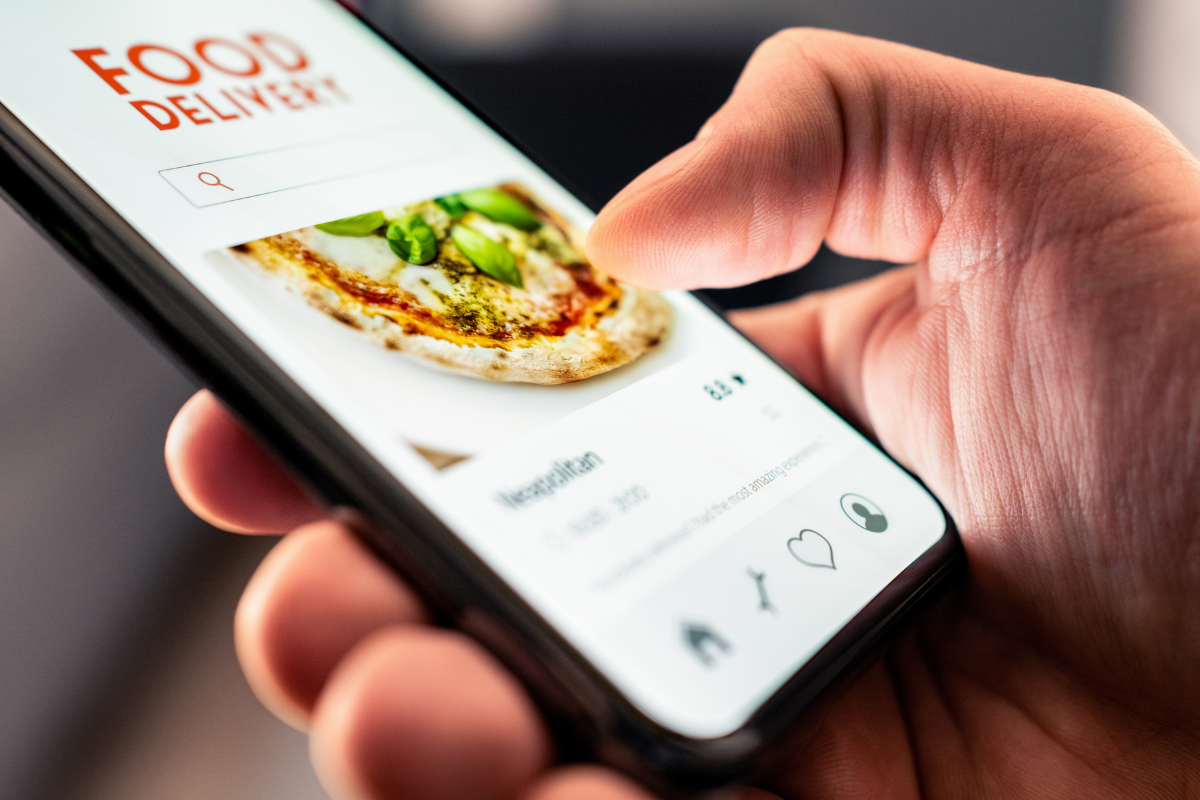
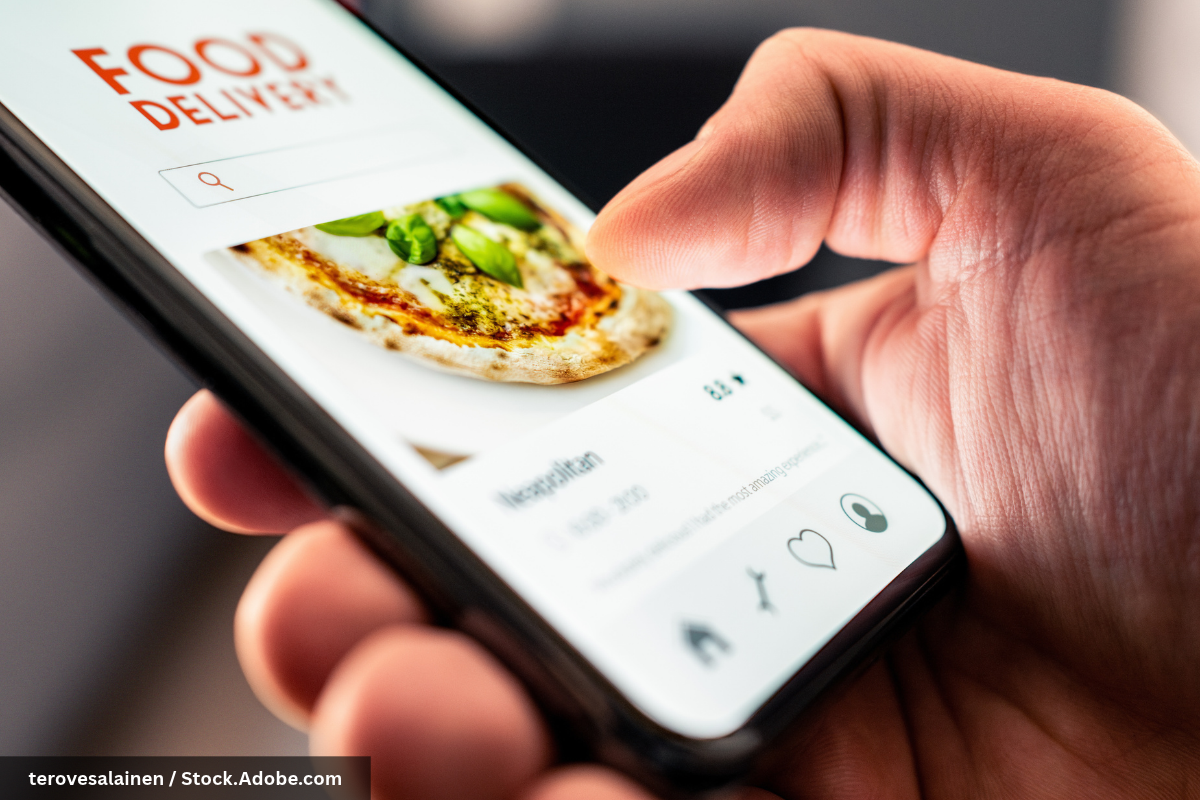
Oracle has confirmed that its free-to-use ordering platform GloriaFood will be retired on 30 April 2027. Sign-ups have already closed, the site is in maintenance mode and Oracle has said there will be no extension. On that date, ordering pages, QR codes, the FoodBooking app and any connected point-of-sale flows stop working. There is no migration tool, no export service and no way to recover anything afterwards.
April 2027 sounds comfortably distant – but it is not. Anyone signed on should treat this as two jobs: getting your data out and choosing a replacement. The first is urgent and should not wait on the second.
Part one: do this now
- Export your data this month. Customer list, full order history, all menu items with pricing and photographs and delivery zone settings. Save it somewhere you control and check it opens. A customer database built over years disappears on 30 April 2027 if it is left on the platform.
- Check your data protection position. Marketing consent given under GloriaFood’s privacy notice does not automatically transfer. Check your lawful basis, update your privacy notice and put a written data processing agreement in place with the new supplier. The ICO publishes free guidance for small businesses.
- Plan how you will tell customers. Email, SMS, in-store signage and a first-order discount code to move people across – sent while the old system is still live, so anyone who ignores the first message still finds a working ordering page.
- Move early.Every restaurant on the platform faces the same deadline. Suppliers will be busiest, and least flexible on price, in the closing months.

Part two: choosing the replacement
Nothing is truly free. GloriaFood charged a premium for added features, a subscription for advanced ones, and required proprietary hardware. Look behind the marketing puff to establish what the costs really are, that the system has a track record, that the business behind it is financially secure, and that the supplier can support you when you need it. Key factors:
- Integration. Automatic synchronisation with your website, kitchen ordering, EPOS till, CRM and – all important – accounting software. Manual bridges cost staff time and invite error. For delivery, check driver dispatch, postcode-based delivery zones and fees and whether aggregator orders can be consolidated onto one screen. Multi-site members should ask about central menu and price management.
- Payments. Who is merchant of record, card fees per transaction, how fast money settles to your bank, how refunds and chargebacks are handled, PCI DSS compliance, and whether you can keep your own payment provider.
- Contract and exit. Minimum term, notice period, auto-renewal and price escalation. Given the reason for this advisory, get a written data portability clause covering what happens to your data when the contract ends.
- Support and reliability. The test is not whether support exists but whether it answers at nine on a Saturday evening. Ask about trading-hours cover, whether it is UK-based, whether you get a telephone number, the uptime record and the remedy if the system fails mid-service.
- Ease of use. A dedicated app customers can download easily, given a central place in your marketing. Sites that are clunky lose orders – take a consumer’s-eye look at platforms already in operation and ask the supplier for reference customers of your size, then telephone them.
- Mobile. Most orders now come from phones. The platform must work as well on a handset as on a screen, properly formatted and not jumbled.
- Hardware. Does it run on tablets and printers you already own, or proprietary kit? Who owns it, what does it cost and what happens at contract end? GloriaFood-specific equipment is likely to have no onward value.
- Pricing and total cost. Understand all commissions and add-on charges. Third-party systems such as Uber Eats bring visibility and marketing but high commission – and you do not control the customer database. Compare suppliers on total cost over three years, including set-up, menu build, training, hardware and the marketing needed to move customers, not on headline monthly price.
- Customer data. Owning your own database means you control your promotions and local loyalty – and it has a value if you ever sell the business.
- Menu management and compliance. Easy to update for menu, promotion and price changes, and able to carry allergen and calorie data. The 14 named allergens must be declared, and anything prepacked for direct sale must be labelled under Natasha’s Law. Calorie labelling is mandatory in England for businesses with 250 or more employees. Upselling and modifiers such as extra toppings are valuable features.
- Analytics. Sir Francis Bacon’s ‘knowledge itself is power’ holds as well now as in 1597. The right system should give real insight into customer demand and behaviour, to inform decisions and target promotions.
- Supplier confidence. Even Oracle can pull out of a market. Check the track record and financial stability – accounts are available via Companies House – and ask to see the product roadmap and update cadence.
Part three: planning the switch
Changing system is an operational event, not just a purchase. Export now; shortlist and take demonstrations by autumn 2026; negotiate and check references over the winter; build, test and run in parallel in early 2027; and switch during a quiet trading period – never December, never a Friday or Saturday – with a clear margin before deadline.
Things that break quietly on switching day: search rankings, if your ordering pages sit on the supplier’s domain rather than your own; your Google Business Profile ordering link and directory listings; QR codes already printed on menus, leaflets, boxes and vehicles; your app, which stops working for anyone who downloaded it; loyalty points, vouchers and gift cards, where outstanding balances need to be honoured; and accumulated reviews, which do not transfer. Agree a contingency for the system going down mid-service and write it where staff can find it.
Members forced to move at least have the chance to review a decision many made years ago, and to end up with a better system than they had. Get it wrong and it could be damaging.
PAPA would like to hear from members. If you are moving off GloriaFood or have recently changed platform, tell us which supplier you chose and how it went. We will collate and share member experiences, and where there is sufficient interest, approach suppliers about preferential terms.